
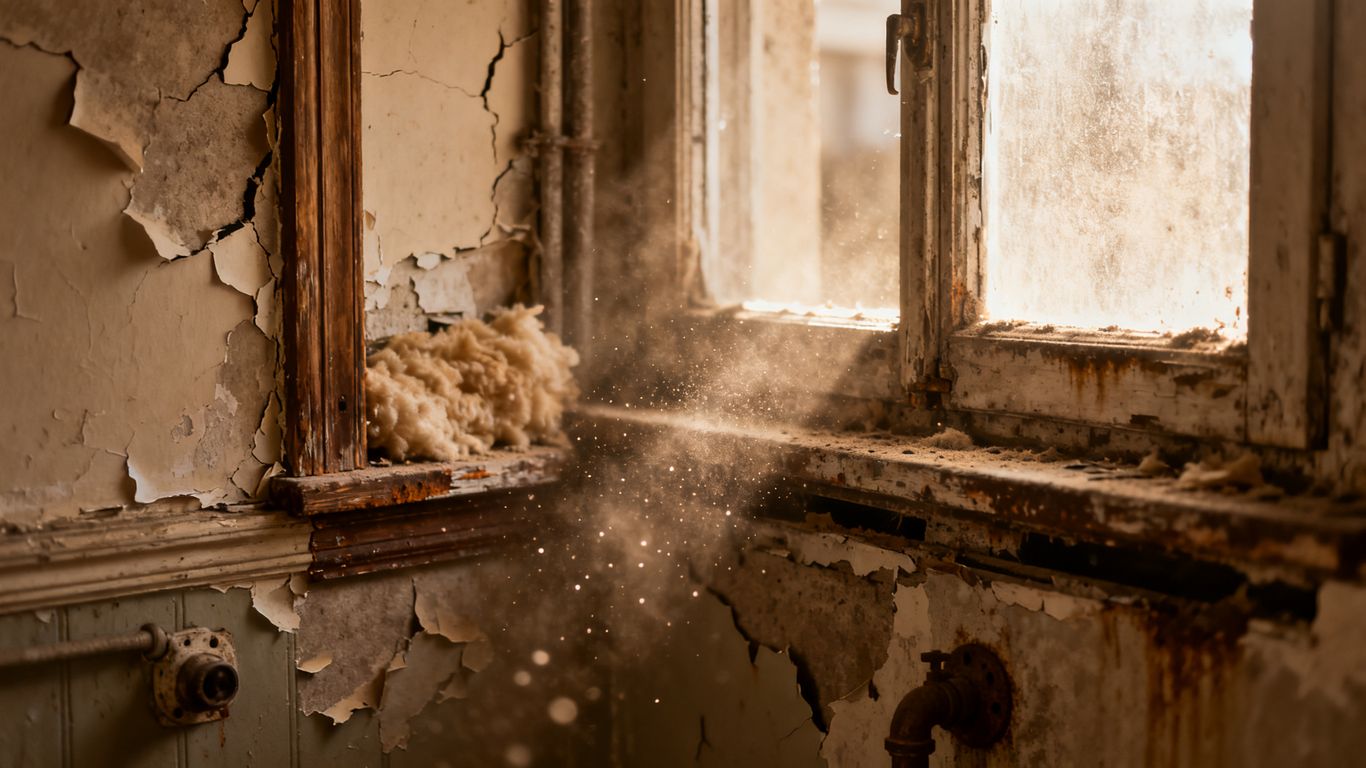
Common Locations of Asbestos in Older Structures
Many older apartment buildings, especially those constructed before the late 1970s, may contain asbestos in various building materials. Identifying these common locations is the first step in understanding the potential risks. These materials were often used for their insulating and fire-resistant properties.
- Insulation: This includes insulation around pipes, boilers, and HVAC ductwork. It was also common in attic and wall insulation.
- Flooring: Vinyl floor tiles and the adhesives used to secure them can contain asbestos.
- Ceilings and Walls: Textured paints, ceiling tiles, and some types of plaster might have asbestos.
- Roofing and Siding: Asbestos was used in roofing shingles and cement board siding.
The History and Purpose of Asbestos in Construction
Asbestos, a group of naturally occurring fibrous minerals, was widely used in construction for decades. Its remarkable strength, heat resistance, and fire-retardant qualities made it an attractive additive to a vast array of building products. From the early 1900s until its use was significantly restricted in the late 1970s, asbestos was incorporated into everything from insulation and fireproofing materials to floor tiles, cement, and even textured paints. Its versatility and perceived safety at the time led to its widespread application, making it a common component in many structures built during that era. The goal was to improve durability, fire safety, and insulation properties of buildings.
Why Asbestos Poses a Health Risk When Disturbed
Asbestos itself is not inherently dangerous if it remains intact and undisturbed. The primary health risk arises when asbestos-containing materials (ACMs) are damaged or disturbed. This disturbance, often caused by renovations, repairs, or general wear and tear, releases microscopic asbestos fibers into the air. These tiny fibers can then be easily inhaled and lodge deep within the lungs. Once inside the body, these fibers can cause significant long-term damage. The body has difficulty breaking down or expelling these fibers, leading to inflammation and scarring over time. This process can eventually lead to serious respiratory diseases. It is important to remember that asbestos poses a health risk only when it is damaged or disturbed [3531]. If asbestos is in good condition and left undisturbed, it is unlikely to cause health problems [1cd1].
Health Implications of Asbestos Exposure
When asbestos-containing materials in older buildings are disturbed, microscopic fibers can become airborne. Inhaling these fibers is the primary route of exposure and can lead to serious, long-term health problems. The danger lies in the fact that these fibers can become lodged deep within the lungs and other tissues, causing damage that may not manifest for many years. The latency period between initial exposure and the development of asbestos-related diseases can range from 10 to 40 years, making diagnosis challenging.
Long-Term Health Conditions Linked to Asbestos
Exposure to asbestos is a known cause of several severe illnesses. These conditions often develop slowly over decades, making early detection difficult. The primary health concerns include:
- Asbestosis: This is a chronic lung disease characterized by scarring of lung tissue. The scarring makes the lungs stiff, leading to difficulty breathing and shortness of breath.
- Lung Cancer: Individuals with a history of asbestos exposure have a significantly increased risk of developing lung cancer. This risk is even higher for those who also smoke, as the combination of smoking and asbestos exposure is particularly dangerous [d699].
- Mesothelioma: This is a rare but aggressive cancer that affects the mesothelium, the protective lining of the lungs, chest cavity, abdomen, or heart. It is almost exclusively caused by asbestos exposure [8a90].
Symptoms of Asbestos-Related Illnesses
Symptoms of asbestos-related diseases often do not appear until the condition is quite advanced. This is due to the long latency period. When symptoms do arise, they can include:
- Persistent dry cough
- Shortness of breath, which may worsen over time
- Chest pain or tightness
- Wheezing
- Unexplained fatigue
- Unexplained weight loss
The Latency Period Between Exposure and Diagnosis
It is critical to understand the significant delay between when someone is exposed to asbestos and when they might be diagnosed with an asbestos-related illness. This extended latency period means that individuals may not connect their current health issues to past exposures, especially if the exposure occurred many years ago in a former residence or workplace. This delay complicates medical diagnosis and treatment, as well as potential legal recourse for those affected by landlord negligence or unsafe building conditions. Identifying past exposures, even if seemingly minor at the time, is an important step in understanding potential future health risks.
Identifying Asbestos in Residential Properties
Spotting asbestos in older buildings isn’t always straightforward. While some materials might give clues, a definitive answer usually requires professional help. It’s important to approach any suspected asbestos-containing materials (ACMs) with caution.
Visible Signs of Potential Asbestos Materials
While visual inspection alone is not enough to confirm asbestos, certain signs can indicate its presence. These often appear in buildings constructed before the late 1970s, when asbestos was commonly used. Keep an eye out for:
- Textured paints and coatings: Often called “popcorn ceilings,” these can contain asbestos.
- Vinyl floor tiles and the adhesive: Older tiles, especially 9×9 inch squares, and the black mastic used to adhere them are common culprits.
- Insulation: Around pipes, boilers, and in attics or wall cavities, especially if it looks fibrous or crumbly.
- Roofing and siding materials: Shingles and cement board siding from this era may contain asbestos.
- Plaster and joint compounds: Used in older drywall and textured finishes.
It’s critical to remember that even if you see these materials, you cannot be certain they contain asbestos without testing.
The Importance of Professional Inspection
Because visual cues can be misleading and disturbing asbestos is dangerous, professional inspection is the only reliable way to identify asbestos. Certified inspectors have the training and equipment to:
- Conduct a thorough survey: They know where to look for potential ACMs based on the building’s age and construction.
- Collect samples safely: They use proper procedures to take small samples of suspect materials.
- Send samples for laboratory analysis: Only a lab can definitively confirm the presence and percentage of asbestos. You can check for markings on the material or its packaging, but this is not always present or conclusive. Hiring a certified inspector is the safest route.
Risks Associated with DIY Identification and Removal
Attempting to identify or remove asbestos yourself is strongly discouraged and can lead to serious health consequences. Never try to test or remove asbestos materials on your own.
- Fiber Release: Simply touching, scraping, or breaking asbestos-containing materials can release microscopic fibers into the air. These fibers are easily inhaled and can cause severe long-term health problems.
- Inadequate Containment: Without specialized equipment and training, it’s impossible to properly contain the fibers, leading to widespread contamination of your living space.
- Health Hazards: Inhaling asbestos fibers can lead to serious diseases like asbestosis, lung cancer, and mesothelioma, often with a long latency period between exposure and diagnosis. Identifying asbestos requires professional expertise to avoid these risks.
Landlord Responsibilities and Tenant Rights
Living in an apartment building, especially an older one, comes with certain expectations about safety and health. For tenants, understanding their rights and what landlords are obligated to do is really important, particularly when it comes to potential hazards like asbestos. Landlords generally have a legal duty to provide a safe and habitable living environment. This means they can’t just ignore known dangers within the property.
When it comes to asbestos, landlords are expected to be aware of its presence in older structures and take appropriate measures. This often includes:
- Disclosure: Before a lease is signed, tenants have a right to be informed about any known asbestos-containing materials in the building. This notice should be in writing, making it clear what materials are present and where. This is a key part of tenant rights regarding building safety [301f].
- Maintenance and Repair: If asbestos materials are damaged or pose a risk, landlords are responsible for addressing the issue. This doesn’t always mean complete removal, but it does mean managing the risk to prevent fiber release.
- Compliance: Landlords must follow federal and local regulations regarding asbestos management and abatement. This often involves hiring certified professionals for any work that might disturb asbestos.
If a tenant suspects asbestos or notices signs of damage that could indicate its presence, the first step is usually to notify the landlord in writing. Keeping records of all communication is vital. If the landlord fails to act or dismisses the concern, tenants have options. Depending on local laws, this might include reporting the issue to housing authorities or, in severe cases, seeking legal advice. Failing to address known hazards can lead to legal liability for the landlord [f7f4]. Tenants can also take steps to protect themselves by avoiding areas where asbestos might be disturbed and documenting any health symptoms they experience that could be related to exposure.
Mitigating Asbestos Risks in Aging Housing
Safe Practices During Renovations and Repairs
When working on older buildings, especially those constructed before the 1980s, it’s important to remember that asbestos might be present. Disturbing materials like insulation, ceiling tiles, or flooring can release dangerous fibers into the air. Always assume materials may contain asbestos until proven otherwise by a professional.
- Containment: If you suspect asbestos is present and are undertaking minor repairs, try to limit the spread of dust. Cover furniture and floors with plastic sheeting. Seal off the work area from the rest of the building.
- Wet Methods: Whenever possible, use wet methods to clean up dust and debris. This helps keep fibers from becoming airborne. Dampen materials before disturbing them if you are certain they are not friable (easily crumbled).
- Personal Protective Equipment (PPE): Always wear appropriate PPE, including a respirator with the correct filters, gloves, and disposable coveralls. Proper disposal of contaminated clothing is also key to preventing further exposure.
The Role of Certified Abatement Professionals
For any significant renovation, repair, or demolition work in older buildings, hiring certified asbestos abatement professionals is not just recommended; it’s often legally required. These specialists have the training and equipment to safely identify, handle, and remove asbestos-containing materials (ACMs). They follow strict protocols to protect both the workers and the building’s occupants. This includes proper containment of the work area, safe removal of ACMs, and thorough cleanup and air monitoring to confirm the area is safe. Understanding the federal requirements for renovating and demolishing buildings containing asbestos is a critical part of this process [9548].
Preventative Measures for Building Management
Building managers play a vital role in managing asbestos risks. Regular inspections of older buildings can help identify potential issues before they become serious problems. Maintaining good records of any asbestos surveys, abatement work, and ongoing monitoring is also important. Communication with tenants about potential hazards and the steps being taken to address them builds trust and promotes safety. Proactive management can significantly reduce the likelihood of accidental asbestos exposure. For more information on asbestos safety, consult resources on asbestos precautions [77e1].
Beyond Asbestos: Other Hazards in Older Buildings
While asbestos is a significant concern in older apartment buildings and public housing, it’s not the only hidden danger residents might face. These aging structures can harbor a variety of other environmental threats that impact indoor air quality and overall health. Understanding these risks is key to maintaining safe living conditions.
The Threat of Mold and Poor Indoor Air Quality
Many older buildings, especially those with deferred maintenance, struggle with moisture issues. Leaks from roofs, plumbing, or even condensation can create damp environments where mold thrives. Mold spores, when released into the air, can cause a range of health problems, from allergic reactions and asthma exacerbation to more serious respiratory infections. Poor ventilation in these buildings often traps these spores, along with other airborne irritants like dust mites and pet dander, leading to consistently low indoor air quality. This can make living spaces feel stuffy and contribute to chronic respiratory issues for occupants. Addressing leaks promptly and improving ventilation are important steps in managing this problem.
Risks from Lead Paint and Water Systems
Buildings constructed before 1978 are likely to contain lead-based paint. When this paint deteriorates or is disturbed during renovations, lead dust can become airborne and ingested, posing a serious health risk, particularly to children, as it can affect brain development. Furthermore, aging water infrastructure, including old pipes and solder, can leach lead into the drinking water. This exposure can lead to a host of health issues, including developmental problems and neurological damage. Regular water testing and proactive infrastructure upgrades are essential for mitigating these health risks and maintaining water safety. Lead paint is a common concern in older homes.
Structural Integrity and Other Environmental Dangers
Beyond airborne contaminants, the physical structure of older buildings can present its own set of dangers. Deteriorating foundations, sagging floors, or crumbling roofs can pose immediate safety risks, including the potential for collapse or injury from falling debris. Additionally, older buildings may have issues with outdated electrical systems, increasing the risk of fires. Another invisible threat is radon, a naturally occurring radioactive gas that can seep into basements from the ground, especially in buildings with cracked foundations. Proper maintenance and regular inspections are vital to identify and address these structural and environmental hazards before they lead to serious incidents. Being aware of these potential issues can help residents and building managers take appropriate action, sometimes requiring professional assessment after a flood or other damage.
Continue Reading
- Mesothelioma Guide
- Mesothelioma Lawyer Center
- Lanier Law Group
- UCLA Health
- MD Anderson Cancer Center
- OSHA.Gov
- Gori Personal Injury Law
- Mesotheliomahub.com
- Weitz and Luxenberg Injury Lawyers
- Mesotheliomahope.com