
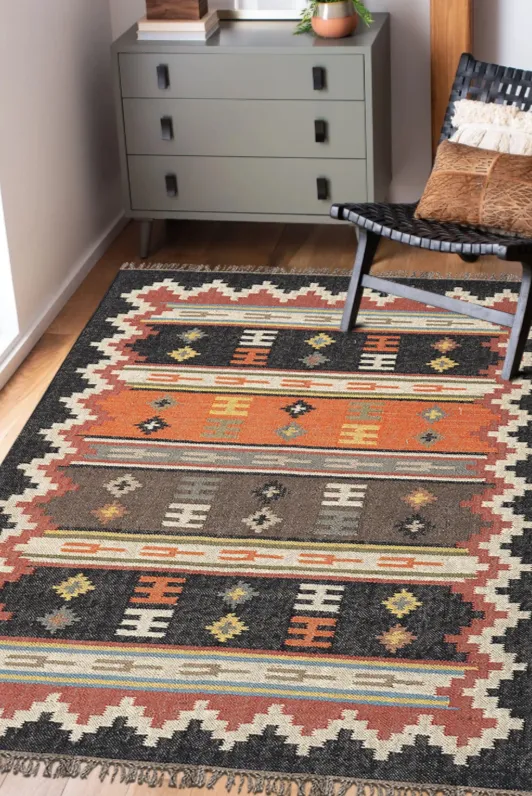
A handmade carpet is one of the few home elements that occupies the largest visual area while often receiving the least attention during planning.
Most people choose a sofa first, paint colours next, lighting after that, and finally look for a carpet that “matches everything.” But experienced interior designers approach this differently.
A carpet is not a finishing accessory placed at the end of a room’s story. It influences how furniture connects, how a space feels underfoot, how sound behaves, and how different design elements come together.
For Indian homes, where a living room can become a family gathering zone, celebration space, and everyday relaxation corner within the same week, choosing the right floor carpet requires more than selecting a beautiful pattern.
It requires understanding size, material, craftsmanship, climate, and lifestyle.
The right carpet does not simply sit inside a room. It belongs there.
Before Buying A Carpet, Understand What Your Room Actually Needs
The most common carpet buying mistake is choosing with the eyes before understanding the space. A design may look perfect in a product image but feel completely different once placed inside an actual home. The reason is simple: carpets interact with everything around them. The sofa, flooring, lighting, furniture arrangement, and daily habits all influence whether a carpet works.
Before selecting a carpet for home, consider these important factors:
Room purpose:
A living room carpet needs to handle regular movement, conversations, and gatherings. A bedroom carpet focuses more on comfort and texture. A formal area may prioritise artistic detailing.
Size and placement:
Many homes use carpets that are too small for their furniture arrangement. A properly sized carpet helps connect seating pieces instead of making furniture appear randomly placed.
Colour relationship:
The carpet does not always need to match the sofa. In fact, some of the most balanced interiors work because the carpet creates contrast or introduces another layer of texture.
Climate conditions:
Indian homes experience everything from dry heat to coastal humidity. Material selection becomes especially important because fibres react differently to moisture, sunlight, and maintenance routines.
A carpet decision should begin with one question:
“How will this room actually be used every day?”
Not:
“Does this look good online?”
Wool, Silk, Jute Or Cotton: The Carpet Material Determines Comfort, Durability And Value
The design of a carpet creates the first impression. The material determines the relationship you build with it over years. Different fibres have different strengths, and choosing the right one depends on where the carpet will live.
Wool Carpets: Built For Comfort And Long-Term Performance
Wool remains one of the most respected carpet fibres because of its natural resilience, softness, and ability to maintain appearance over time. The structure of wool fibres allows them to recover from compression, making wool carpets suitable for areas where people frequently walk, sit, and gather.
Wool carpets are often preferred for:
- Living rooms with regular family usage
- Premium residential spaces
- Areas where durability and comfort are equally important
However, wool carpets still require responsible care. Regular vacuuming, immediate attention to spills, and avoiding excessive moisture help preserve their quality. A handmade wool carpet is valued not only for how it feels when new, but for how it continues to perform years later.
Silk Carpets: Craftsmanship Takes Centre Stage
Silk carpets are appreciated for their fine texture, detailed patterns, and distinctive visual depth. The way silk fibres interact with light allows intricate designs to appear more detailed and dimensional.
They are better suited for:
- Formal living spaces
- Low-traffic areas
- Interiors where craftsmanship is a major consideration
Because silk requires more careful handling compared to sturdier fibres, it is usually selected for spaces where artistic value matters more than heavy daily use.
Jute Carpets: Natural Texture With Practical Considerations
Jute carpets bring organic texture and a handcrafted appearance into interiors. They work particularly well with earthy colour palettes, natural materials, and relaxed home environments.
Jute is suitable for:
- Low to medium traffic areas
- Homes seeking natural fibre options
- Spaces where texture plays an important role
However, jute is more sensitive to moisture, making placement and maintenance important in humid regions.
Cotton Carpets: Lightweight And Flexible For Everyday Spaces
Cotton carpets are known for their lighter construction and comfortable feel. They are often chosen for bedrooms, casual living spaces, and areas where homeowners prefer flexibility. Cotton carpets can be easier to move and reposition, although they may not provide the same durability as wool in heavily used areas.
The best carpet material is not the most expensive one.
It is the one that matches your home’s lifestyle.
Why Handmade Carpets Continue To Matter In Modern Indian Homes?
In a world where many home products are produced for speed and scale, handmade carpets represent a different approach: patience, skill, and human craftsmanship. Unlike machine-made carpets, handmade carpets involve artisans who use specialised weaving techniques developed through years of experience.
The difference exists beyond appearance.
It can be seen in:
- The precision of patterns
- The depth created through skilled craftsmanship
- The character of natural fibres
- The connection between traditional techniques and contemporary interiors
India has a deep history of carpet weaving, with different regions contributing unique methods, designs, and craftsmanship traditions. Today, handmade carpets are finding their place in modern apartments, luxury residences, and contemporary spaces because homeowners are increasingly interested in pieces that carry meaning.
A handmade carpet is not only purchased for the floor it covers.
It is valued for the craft, process, and human effort behind it.
A Carpet Should Connect Every Element In The Room
Interior designers rarely treat carpets as separate decorative objects. They use them as anchors that connect furniture, colours, textures, and proportions.
A grey sofa is a perfect example of why carpets should be chosen through design logic, not simple colour matching. The same sofa can feel completely different with a handwoven wool carpet in earthy tones, a natural jute weave that adds organic texture, or a detailed traditional pattern that introduces craftsmanship into a contemporary room.
The sofa does not define the entire room.
The relationship between every element does.
This is why experienced buyers ask:
“Does this carpet match my furniture?”
only after asking:
“Does this carpet make sense for how I live?”
A carefully chosen handmade carpet becomes part of daily routines. It becomes the surface where conversations happen, children play, guests gather, and ordinary moments unfold. For Indian homes, where spaces carry memories and multiple purposes, choosing the right carpet is not simply a decor decision.
It is a decision about how the room will be lived in.