

Buying a private condominium in Singapore requires meticulous financial planning. Unlike purchasing public housing, private residential projects involve complex payment schedules that demand liquid capital at specific intervals. For instance, if you target a premium development like the upcoming Thomson Reserve, you must map out your cash flow months before signing the option to purchase. Miscalculating these timelines can lead to forfeited deposits or legal complications. This guide breaks down the essential phases of a private property transaction, helping you prepare your liquid assets and CPF funds. By aligning your capital with the developer’s payment schedule, you can secure your dream home without facing unexpected financial strain.
Understanding the Progressive Payment Scheme
Most new launch condominiums utilize the progressive payment scheme, which links your loan disbursements to construction milestones. When you purchase an uncompleted unit, such as a premium apartment in Lentor Garden, you do not pay the full purchase price upfront. Instead, the developer bills you in stages as the building rises.
Milestone Payments Explained
The process begins with the foundation work, typically requiring a 10% payment. Subsequent stages, including the reinforced concrete framework, brick walls, and ceiling plastering, each trigger a 5% to 10% billing cycle. This structure keeps your initial monthly mortgage repayments low, as the bank only releases funds for completed works.
Managing Your Cash Reserves
However, you must maintain a liquid buffer to handle these frequent payment calls. While CPF Ordinary Account funds can service some of these stages, delays in bank disbursements can occasionally require immediate cash injections. Buyers should review their bank statements monthly to ensure they have sufficient liquidity to cover these milestone payments. Planning your liquid assets around these milestones ensures you never scramble for funds when the developer issues the next payment notice. This proactive approach safeguards your investment throughout the multi-year construction process.
Calculating Upfront Costs and Booking Fees
The initial phase of your condo purchase timeline demands the highest concentration of liquid cash. To kick off the transaction, you must pay a 5% booking fee in cash to secure the Option to Purchase (OTP). This booking fee is strictly non-refundable if you decide to let the option lapse. For a unit at Thomson Reserve, this initial outlay represents a significant sum that you must prepare well in advance.
The Sale and Purchase Agreement
Within two weeks of receiving the OTP, the developer will deliver the Sale and Purchase Agreement. You then have three weeks to sign this document. Upon signing, you must pay the remaining 15% of the downpayment within eight weeks. This portion can be paid using a combination of cash and CPF Ordinary Account funds.
Stamp Duty Timelines
Additionally, you must settle the Buyer’s Stamp Duty (BSD) within 14 days of signing the agreement. Because the BSD must be paid before you can claim reimbursement from your CPF account, you must have this cash ready in your bank account. Failing to account for this temporary cash outflow can disrupt your entire payment schedule and delay the completion of your purchase.
Managing Timeline Gaps and Temporary Bridging Loans
Many buyers fund their new condo purchase by selling their existing property. This strategy creates a delicate timeline gap where your sales proceeds are not yet available, but your purchase payments are already due. For instance, if you sell an older flat to upgrade to Lentor Garden, the transaction timelines rarely align perfectly.
Bridging the Financial Gap
To manage this transition, banks offer temporary bridging loans. These short-term loans cover the downpayment or purchase price of your new property while you wait for the cash from your sold unit. These loans typically carry higher interest rates and must be repaid within six months.
Minimizing Interest Costs
Using a bridging loan requires careful coordination with your conveyancing lawyer. You must ensure that the redemption of your old mortgage and the disbursement of the new loan occur in the correct sequence. To minimize interest costs, aim to complete your property sale as quickly as possible. Having a clear view of your cash inflows allows you to negotiate better terms with your financial institution and reduces the stress of managing two active properties simultaneously. Proper planning also prevents you from having to secure expensive alternative housing during the transition period. Always consult your financial advisor to map out these overlapping dates before committing to any purchase contract.
Budgeting for Additional Buyer’s Stamp Duty (ABSD) and Legal Fees
Beyond the purchase price, several ancillary costs can heavily impact your cash flow. The most significant of these is the Additional Buyer’s Stamp Duty (ABSD), which applies to buyers acquiring their second or subsequent residential properties. If you are purchasing a unit at Thomson Reserve as an investment asset while retaining your current home, the ABSD rate can exceed 20% of the property value.
Paying ABSD Upfront
Like the standard Buyer’s Stamp Duty, ABSD must be paid within 14 days of executing the Sale and Purchase Agreement. Although you can eventually use CPF funds for this payment, you must initially pay it in cash if your CPF balance is insufficient or if the funds cannot be liquidated in time.
Legal and Valuation Fees
You must also budget for professional services. Conveyancing fees for private properties generally range between $2,500 and $4,000, which must be paid to your appointed law firm. Mortgage valuation fees and administrative charges also add to the initial cash requirement. Factoring these expenses into your early financial projections prevents unpleasant surprises during the legal documentation phase, ensuring your capital remains secure. Keeping a dedicated emergency fund specifically for these legal and administrative fees ensures that your primary investment capital remains untouched.
Aligning Post-Handover Cash Flow for Renovation and Maintenance
Your cash flow planning does not end when you receive the keys to your new home. The post-handover phase introduces a new set of financial obligations that require immediate funding. For a brand-new development like Lentor Garden, while the units come with basic fittings, you will still need to budget for custom renovations, furnishings, and appliances.
Renovation Costs and Loans
Renovation costs can easily range from $30,000 to over $100,000, depending on your design preferences. While you can secure a renovation loan to cover these costs, these loans have strict borrowing limits and shorter repayment periods compared to home mortgages. This means your monthly cash outflow will increase significantly during the first few years of homeownership.
Maintenance Fees and Property Taxes
Additionally, private condominiums require quarterly maintenance fund contributions. These fees cover security, landscaping, and facility upkeep, often costing between $300 and $600 per month. You must also prepare for annual property taxes, which are calculated based on the annual value of your home. Incorporating these recurring expenses into your long-term monthly budget ensures that your lifestyle remains comfortable after moving into your new luxury apartment. Setting aside a reserve fund equal to six months of these recurring expenses provides a safety net against unexpected financial disruptions.
Final Thoughts
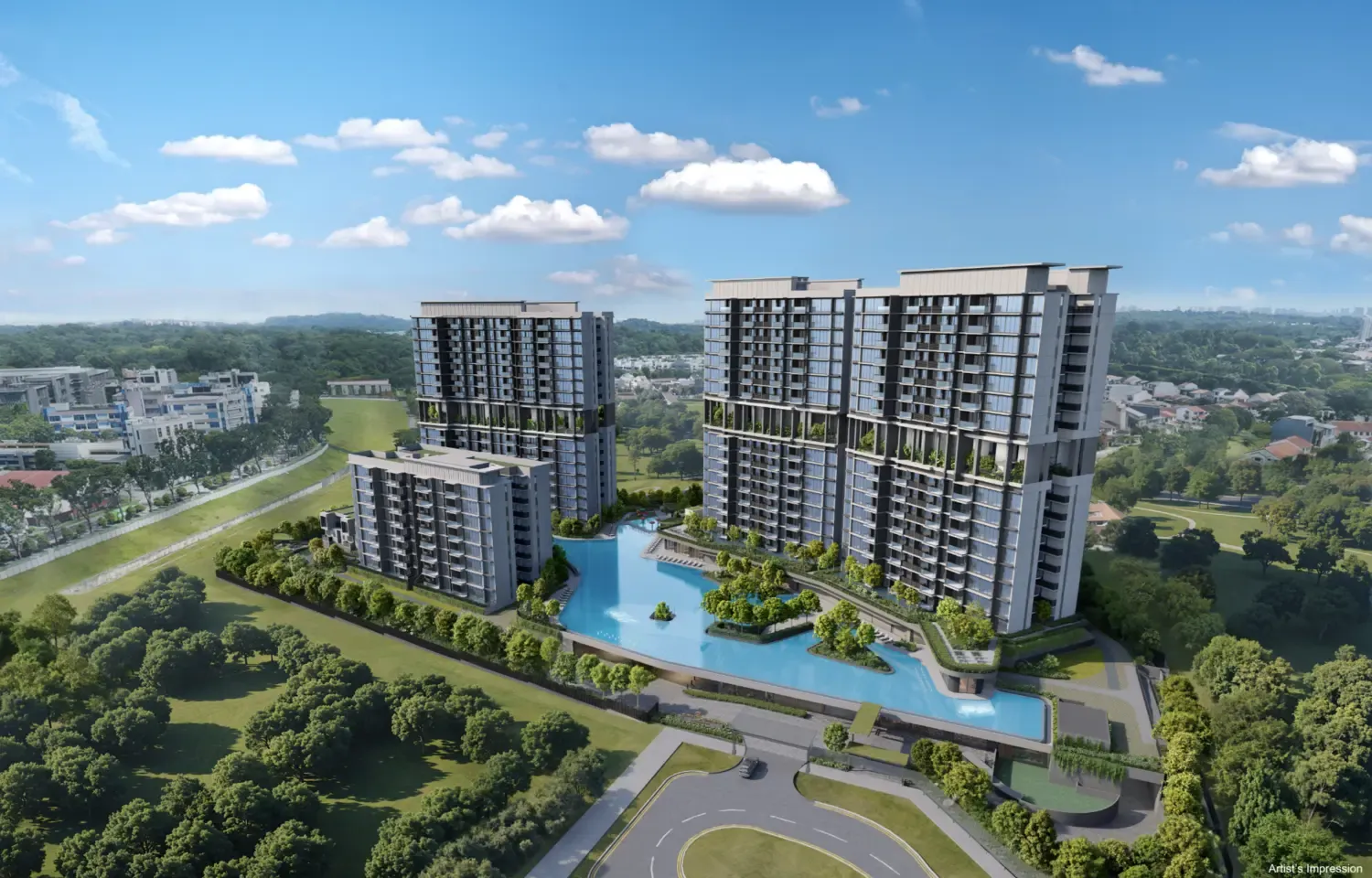
Planning your cash flow for a private condominium purchase is a marathon rather than a sprint. From the initial 5% booking fee to the final progressive payment and post-handover renovation costs, every stage requires precise financial coordination. By understanding the timeline and preparing your liquid assets well in advance, you can avoid common pitfalls and secure your property with confidence. Whether you are eyeing a premium unit or a family home, a well-structured financial plan ensures that your transition into private homeownership is both rewarding and stress-free. Take the time to consult with financial experts and mortgage brokers to build a resilient cash flow strategy that supports your long-term investment goals.