
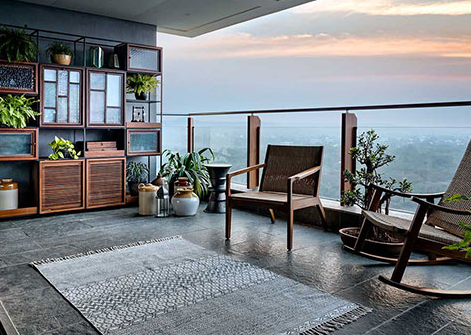
Minimal rugs work in modern homes because they add warmth and texture without overwhelming the space. The best options use natural fibers, neutral colors, and simple patterns. Handmade rugs in India — particularly from Bhadohi — offer superior craftsmanship and lasting quality compared to mass-produced alternatives.
Modern homes thrive on clean lines and intentional choices. Every piece of furniture, every accessory, every fixture earns its place — or it doesn’t belong. Rugs are no different. The right rug grounds a room. The wrong one fights with everything around it.
Minimal rugs hit a sweet spot. They add comfort and visual warmth without competing with the rest of your décor. Whether you’re furnishing a new apartment or refreshing an existing space, understanding what makes a rug work in a modern home will save you time, money, and a lot of second-guessing.
This guide walks you through everything you need to know — from what features to look for, to how to style and maintain your rug once it’s home.
Why Minimal Rugs Work in Modern Homes
Minimalist interiors are built on restraint. Too much pattern, too many colors, or the wrong texture can throw off an entire room’s balance. Minimal rugs solve this problem by adding what a space needs — softness, warmth, and definition — without introducing visual noise.
A well-chosen rug also serves a practical function. It anchors furniture, reduces echo in hard-floored rooms, and defines separate zones within open-plan layouts. When you buy rugs with these purposes in mind, the result is a space that feels both considered and comfortable.
Neutral tones — warm whites, soft greys, earthy beiges — blend naturally with the materials commonly found in modern interiors: concrete, pale wood, brushed metal, and linen. Simple geometric patterns or solid designs maintain that sense of calm without making the floor feel bare.
What Features Should You Look for in Minimal Rugs?
Natural fibers and quality construction
Wool and silk are the gold standards for handmade rugs. Wool is durable, naturally stain-resistant, and soft underfoot. Silk adds a subtle sheen and an elevated finish. Both materials age well — unlike synthetic alternatives, which tend to flatten and fade within a few years.
When you buy rugs, check the knot density and pile consistency. A tightly woven rug will hold its shape longer and feel more substantial underfoot.
Neutral color palettes
Stick to colors that won’t date. Ivory, stone, charcoal, warm taupe, and soft sage are all reliable choices for modern interiors. These shades work across lighting conditions and complement a wide range of furniture finishes.
Avoid rugs with strong contrast or bold color blocking unless your room is otherwise very neutral — even then, proceed carefully.
Simple patterns or solid designs
Minimal rugs work best with either a solid field of color or a subtle, low-contrast geometric pattern. Think thin grid lines, soft diamond repeats, or a quiet texture that reads almost as solid from a distance. The goal is visual interest at close range, visual calm from across the room.
The right size
Sizing is one of the most common mistakes people make when they buy rugs. A rug that’s too small makes a room feel disconnected. As a general rule, all major furniture legs should sit on the rug — or at least the front legs of sofas and chairs. In a bedroom, the rug should extend at least 60cm beyond the sides of the bed.
What Makes Handmade Rugs in India Special?
India has a centuries-long tradition of carpet weaving, and the town of Bhadohi in Uttar Pradesh sits at the center of it. Known as the carpet capital of Asia, Bhadohi produces some of the finest hand-knotted rugs in the world — and has done so for generations.
Handmade rugs in India differ from machine-made products in a few concrete ways. Each rug is woven knot by knot, a process that can take weeks or months depending on size and complexity. The result is a piece that has genuine density, texture, and character. No two rugs are identical.
The Ambiente, a design-led rug atelier founded by Avani Khandelwal, is rooted in this tradition. Backed by over 30 years of manufacturing expertise through its parent company, Bhadohi Carpets, The Ambiente works with a network of over 4,000 weavers — the majority of whom are women from rural communities. Buying from brands like this means your purchase supports real livelihoods and keeps traditional craftsmanship alive.
Handmade rugs also hold their value better over time. A quality hand-knotted wool or silk rug can last decades with proper care — something no machine-made rug can honestly claim.
Where to Buy Rugs: What to Look for in a Retailer
Not all rug retailers are equal. Here’s what to check before you commit:
-
Transparency about materials: Good retailers clearly state whether a rug is hand-knotted, hand-tufted, or machine-made — and what fibers are used. If that information is hard to find, that’s a red flag.
-
Direct artisan relationships: Retailers who work directly with weavers tend to offer better quality control and more authentic products. They can also answer specific questions about construction.
-
Bespoke options: If you have specific size or color requirements, look for retailers who offer custom orders. The Ambiente, for example, offers both ready-to-ship collections and bespoke commissions — a useful option for non-standard room dimensions.
-
Clear return and care policies: Quality retailers stand behind their products. Check for return windows and guidance on professional cleaning.
How to Style Minimal Rugs in Different Rooms
Living rooms
Place your rug so it anchors the seating area. Front legs of sofas and chairs should rest on the rug — this visually connects the furniture group and defines the zone. Choose a solid or subtly patterned design that lets your furniture do the talking.
Bedrooms
A bedroom rug should feel soft and calm. Go for a larger size that extends well beyond the bed frame on three sides. Warm neutrals — ivory, blush, soft grey — work well here. The rug should feel welcoming the moment your feet hit the floor in the morning.
Home offices
In a home office, a rug defines the work area without making the space feel rigid. A simple geometric or solid design keeps things focused. Make sure the rug is large enough to sit under your desk and chair — even when the chair rolls back.
How Do You Maintain a Minimal Rug?
Minimal rugs are low-maintenance by nature, but a little regular care goes a long way.
-
Vacuum weekly using a low-suction setting and a brushless head. This removes dust and debris before it works its way into the fibers.
-
Rotate the rug every six months to ensure even wear, especially in high-traffic areas or spots with direct sunlight.
-
Spot clean spills immediately — blot, don’t rub. Use a mild detergent and cold water for most stains.
-
Book a professional clean every one to two years. For hand-knotted wool or silk rugs, professional cleaning preserves the fibers and restores the pile without causing damage.
Proper care extends the life of a handmade rug significantly. A well-maintained piece can outlast several generations of machine-made alternatives.
The Case for Investing in Quality
Minimal rugs are a foundation piece in any modern home. They set the tone, define the space, and add a layer of comfort that bare floors simply can’t provide. But not all rugs deliver on that promise equally.
When you buy rugs, quality should be the deciding factor. A handmade rug — particularly one crafted using traditional techniques by skilled weavers — will serve your space better and longer than a mass-produced substitute. Brands like The Ambiente, rooted in India’s rich carpet-weaving heritage, offer exactly that: authentic craftsmanship at accessible price points, backed by decades of expertise.
A quality minimal rug isn’t just a purchase. It’s a long-term investment in how your home looks, feels, and functions.
Frequently Asked Questions
What makes a rug “minimal”?
A minimal rug typically features a neutral color palette, simple geometric patterns, or a solid design with no heavy ornamentation. The goal is to complement a space without dominating it.
How do I choose the right size minimal rug for my living room?
For most living rooms, a rug should be large enough for the front legs of all major seating pieces to rest on it. A common starting size is 200cm x 300cm, though this varies based on room dimensions and furniture layout.
Are handmade rugs in India worth the higher price?
Yes — handmade rugs in India use higher-quality natural fibers, take significantly longer to produce, and last far longer than machine-made alternatives. Over a 10–20 year lifespan, the cost-per-year often works out lower than replacing cheaper rugs every few years.
What fiber is best for a minimal rug in a modern home?
Wool is the most practical choice — durable, stain-resistant, and comfortable. Silk works well for lower-traffic areas where a refined, subtle finish is the priority. Wool-silk blends offer a balance of both.
How often should I professionally clean a handmade rug?
Every one to two years for regularly used rugs. High-traffic areas may require more frequent cleaning. Always choose a professional with experience in natural fiber and hand-knotted rugs.
Where can I buy quality minimal rugs in India?
The Ambiente, based in Bhadohi and with a flagship store in New Delhi, offers a curated collection of handmade rugs with both ready-to-ship and bespoke options. The brand works directly with artisan weavers and is backed by 30+ years of manufacturing experience.