
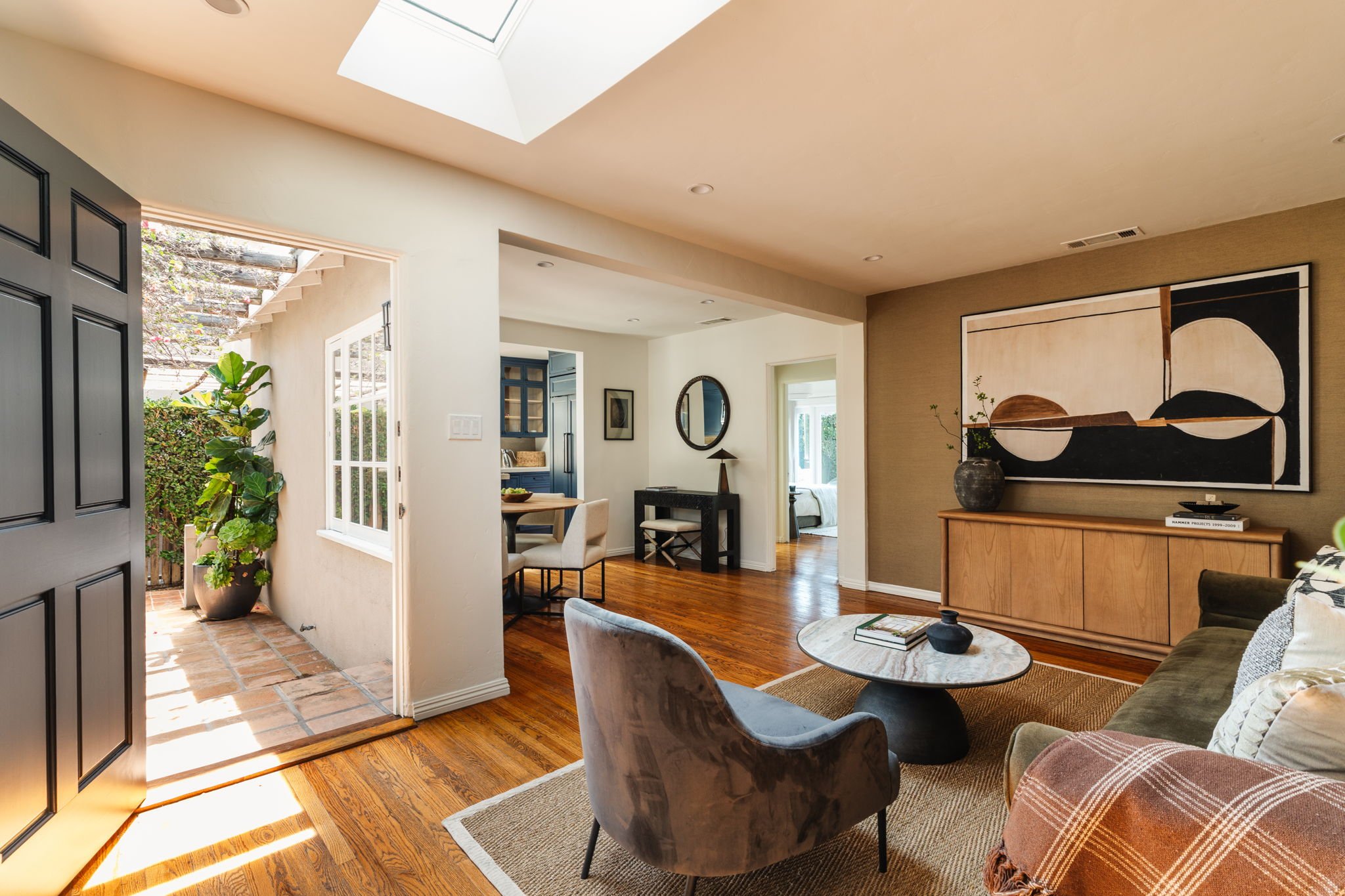
Preparing a home for sale can create a long list of questions. Which furniture should stay? Which rooms need the most attention? Should artwork be changed? Is the property too personal or simply arranged in a way that does not photograph well?
A staging consultation helps bring structure to those decisions. When comparing an Interior Staging Company in USA, sellers should look for a process that considers the individual property rather than relying on a standard decorating formula.
The First Step Is Understanding the Property
A useful consultation begins with the home itself. The stager should consider the architecture, room sizes, natural light, existing furniture and the type of listing being prepared. A compact condo will need a different approach from a large residence or a vacant family home.
The purpose is to identify what is already working and where presentation could be improved. This keeps recommendations focused on areas that can make the clearest visual difference.
Reviewing Furniture and Layout
Furniture placement is often one of the first things evaluated. A room may contain good furniture but still feel awkward because pieces interrupt pathways, block a feature or make the space appear smaller. In other cases, removing furniture may leave the room too empty.
Home Staging Consultation Services can help sellers decide what should remain, what should move and where rental pieces could be useful.
The aim is not to replace everything automatically. It is to create a layout that communicates scale and function more clearly.
Identifying the Most Important Rooms
Not every room needs the same level of attention. The entry, main living areas, kitchen, dining space and primary bedroom often influence the overall impression of a home. However, priorities can change depending on the property.
A small extra room may need staging if buyers are unlikely to understand its purpose. A strong architectural space may need very little beyond editing and careful furniture placement. A consultation can help sellers direct effort towards the rooms that matter most.
Preparing for Photography
Staging decisions should also consider how the home will appear in listing photographs. A room that feels acceptable in person may look cluttered or visually flat through a camera. Small objects can become distractions, while oversized furniture may dominate the frame.
The consultation can identify areas that need simplification before photography. It may also recommend artwork, textiles or accessories where a room lacks visual focus. The objective is to support the property’s features, not create décor that competes with them.
Balancing Personality and Broad Appeal
A lived-in home naturally reflects the people who occupy it. That character can feel warm, but highly personal décor may make it harder for buyers to focus on the property. A staging consultation often involves deciding what to edit rather than simply what to add.
Family photographs, collections or very specific decorative themes may be reduced. At the same time, removing everything can make a home feel sterile. The best balance keeps the space welcoming while making it easier for buyers to imagine themselves living there.
Considering Furniture Rental When Needed
Some homes already have suitable furniture. Others may benefit from rental pieces, particularly when the property is vacant or existing furniture does not match the scale of the rooms. Rental can also help create a more cohesive look across key areas without requiring the seller to buy new furnishings. The decision should be based on what the property actually needs.
What Sellers Should Ask
A consultation is also the right time for sellers to ask practical questions.
Useful topics include:
- Which rooms should be prioritized?
- What existing furniture can remain?
- Are rental furnishings recommended?
- What should be removed before photography?
- How will artwork and accessories be selected?
- What timeline is realistic before the listing goes live?
Clear answers make the next steps easier to plan.
Working With the Property, Not Against It
Good staging should not disguise the character of a home. It should help buyers notice that character more easily.
A contemporary property may call for cleaner lines, while a traditional home may need a different balance of furnishings and accessories. The staging should respond to architecture, scale and light rather than generic trends.
Conclusion
A home staging consultation gives sellers a practical plan before they begin moving furniture or changing décor. It can clarify which rooms need attention, how existing pieces should be used and whether rental furniture would improve the presentation.
The strongest consultations focus on the individual property and the way buyers are likely to experience it. With clear priorities in place, sellers can prepare for photography and listing with fewer unnecessary changes and a more consistent presentation.