
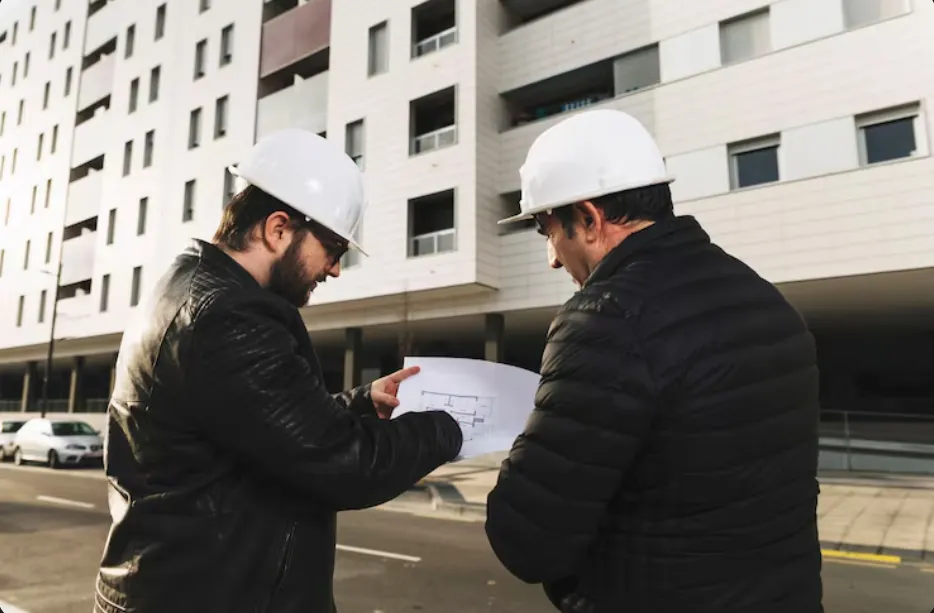
Buying commercial real estate is one of the biggest financial decisions a business or investor will make. The numbers on paper can look solid, but what is behind the walls, above the ceiling tiles, and inside the mechanical rooms tells a very different story. Skipping or rushing commercial property inspections is where expensive post-closing surprises begin. A thorough inspection turns those unknowns into documented facts, giving investors leverage to renegotiate, plan repairs, or walk away before the money is committed.
Why Investors Need Commercial Inspections
A commercial property inspection is a structured, documented review of a building’s physical condition conducted before purchase. It is not a formality. It is due diligence with a direct line to your bottom line.
Spot Hidden Defects Before Closing
Sellers are not always aware of every defect in a building they have owned for years. Deferred maintenance, aging systems, and gradual structural movement often go unnoticed until a trained inspector examines them. Catching these issues before closing keeps the cost of discovery on the right side of the transaction.
Reduce Financial Exposure and Uncertainty
Once a sale closes, responsibility for the building’s condition transfers to the buyer. Any defect discovered after closing becomes the buyer’s repair bill. The key risks that inspections help contain include:
- Structural deficiencies that affect the entire building
- Aging mechanical systems approaching the end of their service life
- Water intrusion damage that has been spreading silently for years
- Unpermitted construction that creates compliance liability
Make Informed Investment Decisions
An inspection report gives investors something a seller’s disclosure rarely provides: an objective, detailed account of what the property actually needs. That information feeds directly into the decision to proceed, renegotiate, or walk away.
What Commercial Inspections Reveal
A thorough commercial inspection covers far more than a residential one. The scope reflects the scale and complexity of commercial buildings, where a single system failure can affect entire floors or multiple tenants.
Structural Issues and Water Intrusion
Inspectors examine foundation conditions, load-bearing walls, floor systems, and the building envelope for signs of movement, settlement, or moisture intrusion. Water damage is one of the most expensive categories of repair in commercial real estate, and it rarely announces itself visibly until it has already caused significant damage behind finishes and within structural assemblies.
HVAC, Electrical, Plumbing, and Roofing Problems
Mechanical and building systems are where deferred maintenance accumulates most. Common findings across these categories include:
- HVAC units running beyond their service life with no maintenance records
- Electrical panels that are undersized, outdated, or improperly modified
- Plumbing systems with corrosion, inadequate capacity, or code violations
- Roofing membranes with failed seams, ponding water, or damaged flashings
Each of these carries repair or replacement costs that can reach tens of thousands of dollars on a commercial scale.
Safety and Life-Safety Concerns
Fire suppression systems, emergency egress, exit lighting, and alarm systems all fall within the inspection scope. Deficiencies here are flagged as priority items because they carry both legal and insurance consequences beyond the repair cost itself.
How Inspections Prevent Costly Surprises
The most direct financial benefit of an inspection is what it stops from happening after closing.
Identify Deferred Maintenance Early
Deferred maintenance refers to repairs and upkeep that have been postponed over time. It accumulates quietly. A roof that has not been maintained for a decade, an HVAC system running on worn components, or a drainage system that has never been cleared all represent costs that will come due eventually. An inspection makes that timeline visible before you own the building.
Avoid Emergency Repairs After Purchase
Emergency repairs carry premium costs. These situations create the most expensive scenarios for new owners:
- HVAC failure during peak summer is affecting tenants immediately
- Roof leak during a tenant’s operating hours, requiring emergency patching
- Plumbing failure affecting multiple units and causing business interruption
- Electrical faults triggering shutdowns before a cause is identified
Identifying at-risk systems before purchase allows investors to plan repairs on their schedule rather than reacting under pressure.
Reduce the Chance of Major Capital Expenses
When a building’s systems are assessed before closing, investors can distinguish between properties that need routine maintenance and those headed toward a major capital replacement cycle. That distinction is critical for accurate underwriting and realistic return projections.
How Inspections Strengthen Negotiation
An inspection report is a negotiating document as much as a technical one. The findings create options that did not exist before the inspection was completed.
Request Repairs Before Closing
When the inspection uncovers material defects, the buyer can request that the seller complete specific repairs as a condition of closing. This shifts the cost of correction to the seller rather than absorbing it post-purchase.
Renegotiate the Purchase Price
Buyers can use documented repair costs from the inspection report to negotiate a price reduction that reflects the actual condition of the property. A well-documented report with repair estimates gives the buyer a factual basis for the conversation.
Use the Report as Leverage in Due Diligence
A strong inspection report does the following in a negotiation:
- Quantifies repair costs with specific findings rather than general claims
- Creates a written record of deficiencies that the seller cannot credibly dispute
- Provides grounds to extend the due diligence period if specialist reports are needed
- Supports a request for seller credits at closing in place of physical repairs
How Inspections Support Budget Planning
Beyond the transaction itself, an inspection report becomes a practical planning tool for the first several years of ownership.
Forecast Near-Term Repair Costs
Inspectors typically categorize findings by urgency. That tiered structure lets investors build a repair budget that reflects actual priority order rather than addressing everything at once or missing items that need prompt attention.
| Priority Level | Timeframe | Example Findings |
| Immediate | Before or at closing | Active leaks, failed electrical panels, life-safety gaps |
| Short-term | Within 12 months | Aging HVAC units, deteriorated roofing sections |
| Long-term | 1 to 5 years | Cosmetic updates, scheduled system replacements |
Plan Long-Term Maintenance and Capital Expenditures
Knowing the age and condition of major systems allows investors to build realistic capital expenditure schedules. This means fewer surprises in year three or year five of ownership when systems that were already aging at closing finally reach the end of their service life.
Protect ROI With Better Financial Forecasting
Investors who enter a purchase with a clear picture of upcoming costs can model returns more accurately. Unplanned capital expenses are one of the most common reasons commercial investments underperform their original projections.
Why Compliance Matters
A commercial property’s physical condition and its compliance status are separate concerns, but inspections often surface both at the same time.
Identify Code or Safety Gaps
Buildings that have not been updated or permitted correctly may have systems or structures that do not meet current code requirements. These gaps are not always visible, but they create liability from the moment ownership transfers.
Reduce Legal and Insurance Risk
Unaddressed life-safety deficiencies, unpermitted construction, and code violations all create exposure that extends well beyond repair costs. The areas that carry the most legal and insurance risk include:
- Accessibility compliance failures under ADA requirements
- Fire suppression systems that are incomplete or out of service
- Unpermitted structural modifications that affect load capacity
- Electrical systems that do not meet current National Electrical Code standards
Avoid Unexpected Retrofit Costs
Code compliance retrofits can be expensive and disruptive. Identifying these requirements before closing allows investors to factor the cost into the purchase decision rather than absorbing it as a post-closing obligation.
What Investors Should Review Before the Inspection
Preparation before inspection day improves the quality and completeness of the final report.
Prior Reports and Maintenance Records
Request any previous inspection reports, service records for HVAC and roofing, and documentation of repairs or improvements made during the seller’s ownership. Gaps in maintenance records are informative on their own.
Access to Roofs, Mechanical Rooms, and Restricted Areas
An inspector who cannot access the roof, the main electrical room, or the basement cannot provide a complete report. Items to confirm before inspection day include:
- Full roof access, including hatches and ladders
- Access to all mechanical and utility rooms
- Seller-arranged access to tenant-occupied spaces within the scope
- Keys or codes for any locked areas included in the inspection
Scope of Work Based on Property Type
The inspection scope should match the property type. A retail strip center, a multi-story office building, and an industrial warehouse each have different systems and risk profiles. Confirm with your inspector that the scope covers every relevant system for the specific asset class being purchased.
Final Takeaway
Commercial property inspections protect investors by turning unknowns into documented facts before the purchase is finalized. They surface hidden defects, create negotiating leverage, support realistic budgeting, and reduce the legal and financial exposure that comes with owning a building whose full condition was never properly assessed. Every dollar spent on a thorough inspection has the potential to prevent multiples of that cost from appearing on the other side of closing.
When the investment is in Breckenridge, the stakes are as high as anywhere else in commercial real estate. Greenhorn Breckenridge LLC understands the local market, the property types, and the specific conditions that matter most in this region. If you are acquiring your first commercial asset or expanding an existing portfolio, Greenhorn Breckenridge brings the local expertise and professional guidance to help you buy with your eyes open.